Garage Door Spring Repair: Signs, Safety, DIY vs Professional Help
Every homeowner relies on a fully‑functional garage door for daily access, home security and vehicle protection. Among all garage door components, springs bear the heaviest workload. Garage door spring repair becomes urgent once parts wear, crack or snap unexpectedly.
Garage door springs counterbalance the full weight of your garage door, allowing it to lift and lower smoothly. When springs fail, your door can become stuck, heavy, misaligned or even dangerous to operate. Understanding how to spot early issues, recognize safety hazards, and decide between DIY repair and professional service will help you avoid accidents and expensive secondary damage.
Two Main Types of Garage Door Springs
Before starting any garage door spring repair work, you must identify your spring style: torsion springs and extension springs.
- Torsion Springs: Mounted horizontally above the garage door opening on a metal torsion shaft. These high‑tension springs store rotational energy. Most modern residential overhead doors use torsion springs. They hold massive stored force and are the most dangerous to service without proper tools and training.
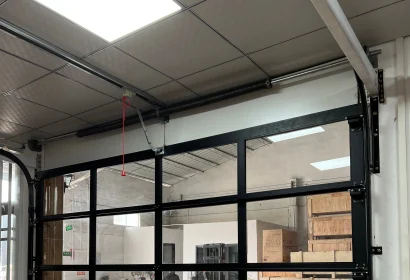
- Extension Springs: Installed along left and right vertical tracks on both sides of the door. They stretch and compress as the door moves up and down. Extension springs are generally under less extreme torque than torsion springs, yet they still pose safety risks during failure or repaire
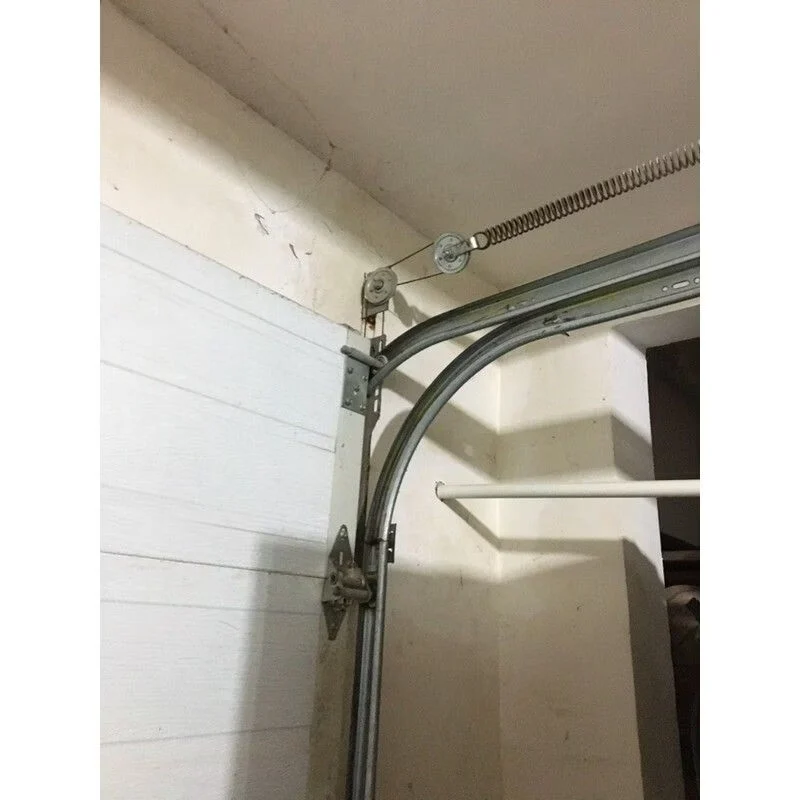
Common Warning Signs You Need Garage Door Spring Repair
Watch for these typical symptoms that signal worn or failing garage door springs. Catching problems early prevents sudden spring breakage.
- The garage door feels extremely heavy to lift manually: If you pull the emergency release cord and cannot easily lift the door halfway, your springs have lost tension.
- Loud bang or popping noise: A sharp, loud boom from the garage often means a spring has snapped completely.
- Uneven door movement: The door tilts to one side while opening or closing.
- Door will not stay open: When lifted halfway, the door drops quickly back to the floor.
- Visible damage: Rust, cracks, gaps in spring coils, or a visibly broken spring segment.
- Garage door opener struggles: The motor hums hard but cannot lift the door fully, even with no physical track obstruction.
Important note: Once a spring breaks, stop using your automatic garage door opener immediately. Running the opener with failed springs can burn out the motor, bend door panels or damage cables. Unplug the opener power cord right away.
Critical Safety Rules for Garage Door Spring Repair
Garage door springs hold enormous potential energy. Improper handling can lead to severe injury. Follow these non‑negotiable safety guidelines whether you attempt DIY or just inspect parts.
- Always unplug the garage door opener and pull the red emergency release cord before inspecting or repairing springs.
- Secure the garage door firmly with C‑clamps or locking pliers on both vertical tracks to prevent sudden door movement.
- Wear safety glasses and heavy‑duty leather work gloves to protect against flying metal fragments and sharp coil edges.
- Never stand directly in front of torsion springs when releasing or applying tension; work from the side.
- For torsion spring jobs, only use hardened steel winding bars. Do not substitute screwdrivers, wrenches or random metal rods.
- Keep children and pets fully out of the garage work zone during any repair work.
DIY Garage Door Spring Repair vs Hiring a Professional
Many homeowners wonder whether they can handle garage door spring replacement by themselves. The answer depends entirely on your spring type, tools, and hands‑on experience.
When DIY Might Be Possible
Only extension spring replacement is theoretically DIY‑friendly for experienced homeowners. Even then you need matching replacement springs, safety cables, clamps, and full knowledge of correct tension settings. You must double‑check spring measurements: wire gauge, inner diameter, and overall spring length before ordering replacement parts.
Torsion spring repair or replacement is NOT recommended for amateur DIY projects. Releasing and rewinding torsion spring tension is highly risky. One slip with winding bars can cause serious harm. Most home safety experts advise calling certified technicians for all torsion‑spring related work.
Benefits of Professional Garage Door Spring Repair
- Certified technicians carry professional winding tools and follow industry safety standards.
- They measure and match correct spring specifications to fit your exact door weight and size.
- Most pros replace both springs as best practice, even if only one is broken. Both springs age at roughly the same rate; replacing only one usually leads to a second failure soon.
- Professionals inspect related hardware: cables, drums, brackets and bearings while on‑site, catching hidden wear before it creates new failures.
- Reputable local providers offer same‑day emergency garage door spring repair for sudden breakdowns.
- Work often comes with parts and labor warranty coverage.
How Much Does Garage Door Spring Repair Cost?
Cost varies by region, spring type, door size and emergency service fees.
- Extension spring replacement: $120‑$220 average
- Single torsion spring replacement: $180‑$280
- Double torsion spring set replacement: $220‑$350 Emergency after‑hours garage door spring repair will add extra service fees.
Tip: When contacting local companies, share if you have torsion or extension springs, door height, and whether the door is stuck closed or open, to get more accurate price quotes.
Simple Preventive Maintenance to Extend Spring Lifespan
You can prolong spring service life and delay future garage door spring repair with basic yearly maintenance:
- Apply garage‑door‑specific lithium‑based lubricant to spring coils once per year. Do not use heavy grease.
- Complete a balance test: disconnect opener, lift door halfway manually. It should hold position steadily without dropping or shooting upward. If it drifts, springs need tension adjustment.
- Inspect springs visually for rust, coil cracks and wear every few months.
- Avoid manually slamming the garage door; rough operation accelerates spring fatigue.
Frequently Asked Questions (FAQ) — Optimized for Google People Also Ask Box
Q1: Can I use my garage door if one spring is broken?
A: No. Operating the door with broken springs puts massive stress on cables, opener motor and door panels. Stop using the system and arrange repair immediately.
Q2: How long do garage door springs normally last?
A: High‑quality torsion springs typically last 8 000‑15 000 open‑close cycles, roughly 7‑12 years for average household use. Extension springs often wear out faster.
Q3: Should I replace both garage door springs at once?
A: Yes, most industry technicians recommend replacing both springs together. When one fails, the second spring is already heavily fatigued and will likely break soon after.
Q4: Is broken garage door spring an emergency?
A: If your door is stuck closed and you cannot access your garage or vehicles, it counts as home emergency service. Never attempt to force the door open manually with broken torsion springs.
Q5: Where can I find reliable garage door spring repair near me?
A: Search for local licensed garage door service providers. Verify customer reviews, confirm they handle your spring type, and ask for upfront pricing before scheduling.
Final Thoughts
Garage door spring repair is not a casual weekend handyman task, especially for torsion‑spring‑equipped doors. Early visual inspections and annual lubrication can extend spring lifespan, but when damage occurs, prioritize safety above saving money. For most households, calling a qualified local garage door repair specialist delivers secure, long‑lasting results and protects you from avoidable injury or further door damage.
If you notice heavy lifting, popping sounds, or unbalanced door movement, evaluate your springs right away. Waiting for total spring failure often creates costlier secondary garage‑door hardware damage.