
What Causes a Noisy Garage Door? Troubleshooting & Repair Solutions for Different Strange Sounds
Date: 10/01/2026
What Causes a Noisy Garage Door? Troubleshooting & Repair Solutions for Different Strange Sounds
What should you do if your garage door squeaks, scrapes, bangs or shakes while opening and closing? This article analyzes the causes behind various abnormal noises and corresponding solutions. Certain issues require you to contact a professional garage door repair technician.
A garage door emitting harsh noises during operation can disturb your family, especially when you get home late at night. In most cases, abnormal sounds act as warning signs of worn or faulty internal components. A well-functioning garage door should rise and lower smoothly and quietly. Never ignore unusual noises. Timely inspection and maintenance can extend the service life of your entire garage door system and prevent serious safety hazards such as sudden door collapse.
⚠️ Important Safety Reminder: Do not apply lubricant to nylon tracks, and never attempt to adjust garage door springs by yourself. Springs store tremendous tension. Unauthorized adjustment or disassembly may lead to severe accidents. All spring-related repairs must be performed by professional technicians.
Simple At-Home Pre-Check: 4 Basic personally Inspection Steps
Most minor noises can be improved through the following four maintenance tasks. Disconnect power to the garage door opener before starting work to prevent accidental door activation.
- Check track alignment: Inspect both side tracks for bending or misalignment, and clear accumulated dust, sand and debris inside the tracks.
- Lubricate all moving metal parts: Use silicone spray or white lithium grease on moving metal components including rollers, hinges and chains. Do NOT lubricate nylon tracks.
- Tighten all nuts and bolts: Vibration from repeated opening and closing loosens hardware over time. Use a wrench to inspect and tighten fasteners on tracks, hinges and mounting brackets.
- Check pulleys for excessive wear. If pulleys are heavily worn, apply special lubricating wax.
Test the garage door after completing these steps. If the noise persists, identify the sound type to locate the root cause of the fault.
Frequently problem 1 :Whole-Door Vibration with Squealing Sounds
Typical noise: Continuous high-pitched squeaking or screeching throughout the door’s travel, accompanied by obvious shaking. You may also hear slapping impacts from the chain.
The vast majority of such issues stem from worn rollers or improper installation.
- Plastic rollers wear out quickly and require frequent replacement. Steel rollers are durable but prone to rust over time. Nylon rollers balance durability and quiet operation, making them the preferred option.
- Poor installation and low-quality hardware can also trigger abnormal noises. A loose chain creates slapping sounds, while loose hardware causes overall shaking. These problems may slow door movement and increase strain on springs and the opener motor.
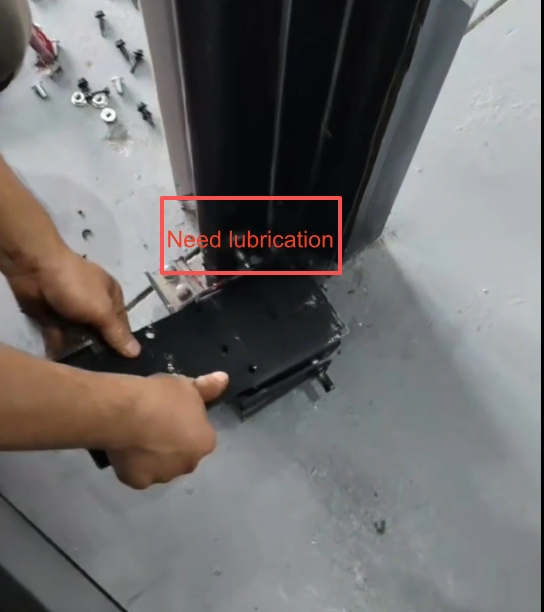
Solution: Spray silicone lubricant onto roller bearings to reduce friction noise and extend roller lifespan.
Frequently problem 2:Grinding, Scraping and Rattling Metal Noises
Typical noise: Harsh metal grinding and rattling sounds during door operation.
Root Cause
The most common trigger is lack of lubrication and maintenance, which leads to dry friction between metal parts and creates grinding noises. An aging or damaged garage door opener can also produce this type of noise. Worn motors in old openers are usually paired with slow door movement and unstable, intermittent operation.
Solution: Perform maintenance every six months using white lithium grease or silicone lubricant. Disconnect power before maintenance, wipe dust and dirt off tracks and components, then apply lubricant evenly.
Frequently problem 3 :Loud Banging, Popping, Scraping Sounds with Shaking Panels
Typical noise: Loud bangs and sharp popping sounds while opening or closing, scraping when door panels rub against tracks, plus inconsistent lifting/lowering speed.
Root Cause: Unbalanced Door
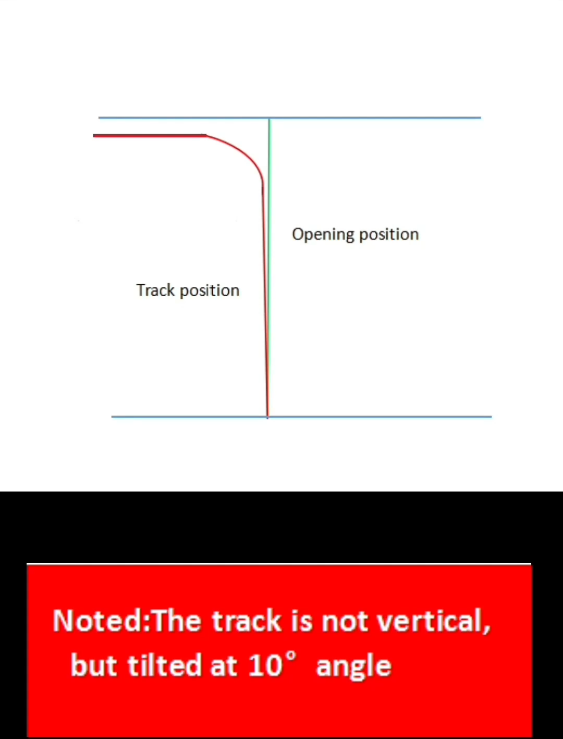
Door imbalance is the main culprit for these loud noises. Aging springs, drive system failure, changed door weight and collision damage can disrupt balance. Improperly installed tracks will also throw off door balance. A broken spring is an extremely dangerous fault and may cause the garage door to plummet suddenly. This requires urgent attention.
Solution (Test Only — Do NOT repair springs): Cut power to the opener and manually lift the garage door to test its balance. Self-repair is not recommended. Hire a professional garage door technician to reinstall the door.
What Garage Door Problems You Should Never Fix Yourself
- Adjustment, removal or replacement of springs
- Unbalanced doors that slide down automatically
- Severely bent or misaligned tracks
- Damaged or faulty garage door opener motors
- Rope replacement
Homeowners may safely perform simple tasks such as lubrication and tightening screws. Any work involving springs or balance calibration must be handled by certified garage door technicians to avoid personal injury and more costly equipment damage.
Regular Maintenance to Reduce Garage Door Noise
- Service your garage door every 6 months: clean tracks, tighten hardware and lubricate moving metal parts.
- Opt for quiet nylon rollers to reduce metal friction noise.
- Inspect abnormal noises immediately instead of “making do”. Minor faults left unaddressed can turn into expensive major repairs.
- Choose reputable service providers during installation to avoid long-term noise risks caused by poor fittings and incorrect installation.
Summary
Strange garage door noises are more than just annoying; they are fault warnings from your system. Squealing usually points to roller issues; grinding noises mostly indicate insufficient lubrication; loud banging and popping sounds strongly suggest door imbalance. Basic maintenance can resolve some noise problems. If noises remain after DIY checks, stop using the door and schedule a professional garage door inspection promptly to protect your home safety.